Tax Basics for Teens: Filing Your First Tax Return
Published Date: March 11, 2026
Published By: Jac Cantos, Upcloud Accounting
Are you preparing to file your first tax return? While it might seem intimidating at first, most teens find the process straightforward, especially with a little guidance. Upcloud Accounting is here to help you understand the basics of filing taxes as a teen and how to maximize your potential refunds.
Do Teens Need to File Taxes?
You generally don’t need to file a tax return if your earnings are below the standard deduction, which is $15,750 for a single filer. However, if taxes were withheld from your paycheck, filing a return can help you claim a refund.
If you earned more than $400 from self-employment activities like babysitting or yard work, the IRS considers you self-employed, and you must file a return to report that income. Additionally, if you earned over $1,450 in unearned income (such as dividends or interest), you may be required to file, even if your total income is below the standard deduction.
What Tax Rate Applies to Teens?
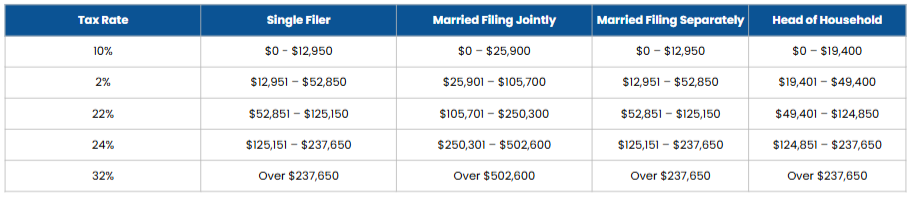
Your tax rate depends on your total income for the year. Here are the federal income tax brackets:
What Taxes Do Teens Usually Pay?
As a teen employee, you'll pay federal income tax and, if applicable, state income tax, which may require filing both federal and state returns.
FICA Taxes: You’ll also pay Social Security (6.2%) and Medicare (1.45%) taxes through payroll withholding if you're a W-2 employee. Your employer covers half of these taxes.
What's the Difference Between Gross Income and Net Income?
Gross Income: Your total earnings before taxes.
Net Income: The amount you take home after taxes are deducted (your paycheck).
How Do You File Your First Tax Return?
To get started, gather the following:
Your full name and date of birth
Your Social Security Number (SSN)
Your filing status (most likely single)
Your W-2 form from your employer
Any 1099 forms if you’re self-employed
Proof of dependency status (if applicable)
What Are Some Tax Benefits for Teens?
Even if you earn less than the standard deduction, filing a tax return can result in a refund of any taxes withheld.
Student Loan Interest Deduction: You may be able to deduct up to $2,500 paid in interest on student loans, even if you don’t itemize.
Tax Credits: If you’re paying for college, you might qualify for credits like the American Opportunity Tax Credit (AOTC) or Lifetime Learning Credit (LLC). The AOTC offers up to $2,500 per year and is partly refundable.
When Can a Teen Claim a Tax Credit?
AOTC: For undergraduates enrolled at least half-time. You can claim this for up to four years of college.
LLC: For students taking higher education courses, regardless of whether you’re claimed as a dependent.
Note: You cannot claim both credits for the same expenses. Usually, the AOTC provides the greater benefit.
Why is It Important to File Your Taxes?
Even if you think you don’t owe taxes, filing ensures you don’t miss out on refunds or credits. It also helps establish a record of income, which can be useful for future financial activities like applying for loans or scholarships.
Filing your first tax return doesn’t have to be overwhelming. We are here to support you every step of the way!
Upcloud Accounting: Virtual Outsourced Accounting and Bookkeeping Services in the Philippines
Upcloud Accounting provides reliable, tech-enabled virtual accounting and bookkeeping services designed for startups, freelancers, and growing small businesses across the United States. Our team of experienced accountants and bookkeepers delivers streamlined financial management so you can focus on scaling your business, without worrying about the back-office workload.
We specialize in increasing efficiency, automation, and transparency across your financial operations using modern cloud accounting tools. Whether you're a solo entrepreneur or an expanding company, our flexible and affordable bookkeeping plans ensure you get expert support at every stage of growth. For inquiries, contact our team at [email protected] or visit www.upcloudaccounting.com to learn more.
Disclaimer: This content is for general informational purposes only and should not be considered professional financial or legal advice. For guidance tailored to your specific business needs, please consult with a licensed accountant or tax advisor. For questions, comments, or feedback, feel free to email us at[email protected].